
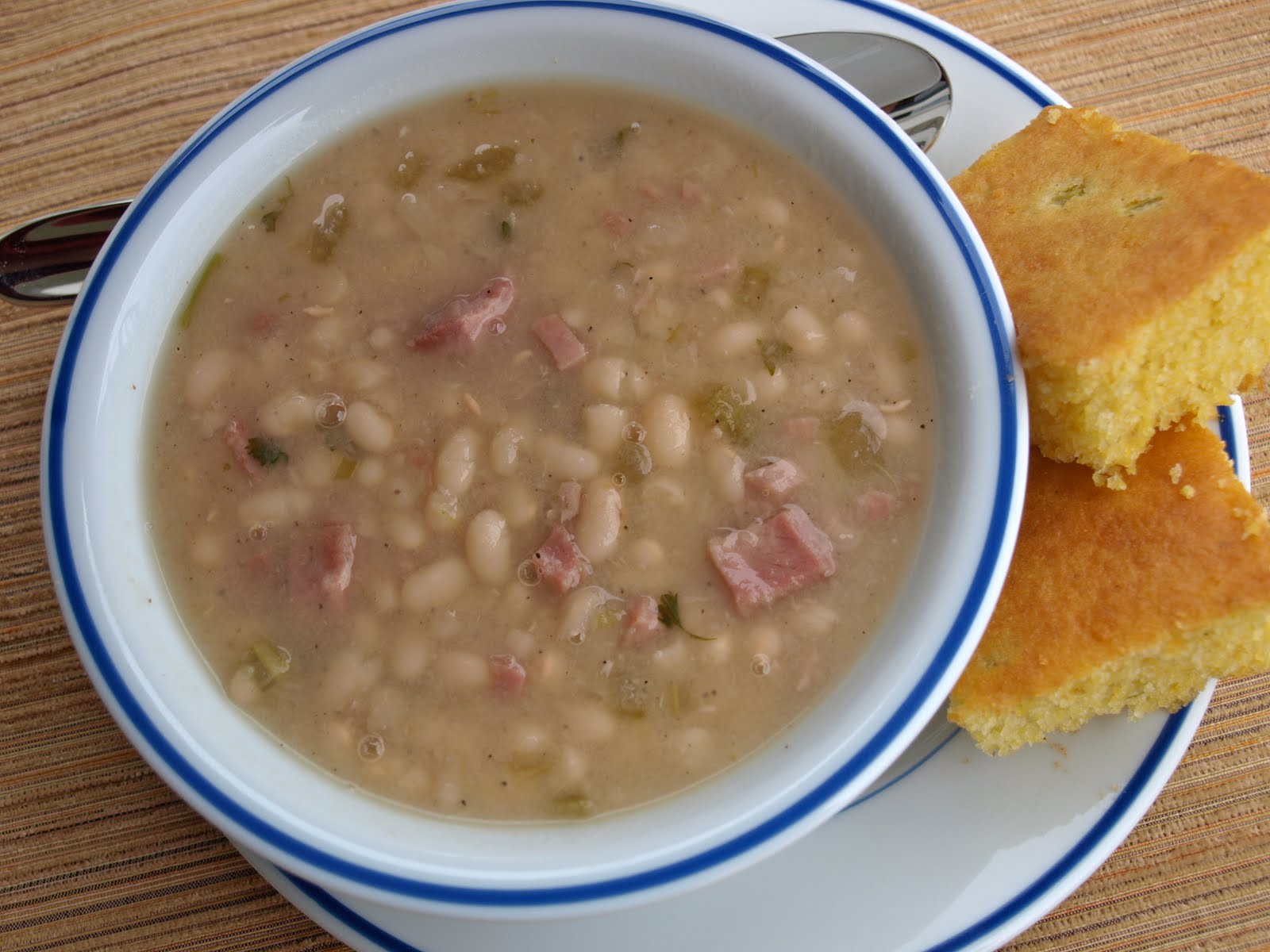
Last Sunday was soup beans and cornbread night in our house.
It was 60s out in May in the South, so it was soup weather. And what good is soup without cornbread, right?
There was a time when I wasn’t exactly proud of telling anyone that we regularly ate soup beans.
I mean it is a reminder of my family’s poor upbringing. It’s rural Kentucky food. It’s mountain food. It’s not the food that anyone is going to put on the menu at a fine dining restaurant, but everyone has seen on the menu at Cracker Barrel.
Mine are nothing like what you get at Cracker Barrel… tonight it was pintos and salt pork with peppercorns. Throw it all in the pot with an onion and let it cook for hours and you’ve got a huge bowl of flavorful protein. Yum.
Sometimes, we have navy beans or great northern beans with left over ham. That’s my special favorite because it reminds me of my Mom’s house.
Sometimes, we have 15-bean soup, which comes with its own ham flavored seasoning pack, so you don’t have to add, you know, … meat. It’s the soup equivalent of Coors Lite – a little bit of flavor without any substance of any kind.
When I was a kid, it seemed like every time we went to my grandmother’s house to visit, we had soup beans and cornbread.

I hated it.
In fact, I dreaded it.
The smell is unique and has a smoky sweetness with a sort of bacony aroma.
And every time I smelled it, I groaned.
But, it made sense. My grandparents weren’t rich, and soup beans were the best choice for them when the house went from two to six. Cheap and easy to make, it was a way to extend a meal to feed a crowd, no matter how many showed up.
But I hated it. It wasn’t bad. I mean, it’s tasty, but I wanted pizza or hamburgers, or fried chicken even. For a spoiled doctor’s daughter, soup beans were NOT the dinner one looked forward to.
Of course, my mom loved it. It was her mother’s cooking, after all. She loved going back to the comfort of her childhood.
I grew up hours away from my grandmother in Central Kentucky, but still my mom made Kentucky favorites. Summers were spent eating cottage cheese and tomatoes fresh out of the garden with a little dollop of mayonnaise on top. We had corn pudding for Thanksgiving dinner. Derby time always meant Derby pie.
And soup beans were a rarity, but a still on the menu
I couldn’t stand them. I just let my mom eat them.
It was like when our family went to Florida. Everywhere we stopped to eat, someone was handing us grits. The further south we got the more plates of grits piled up on the table. Actually, they all ringed my mother’s plate, as we all passed them to her and let her eat them. It’s honestly a miracle that woman didn’t blow up like a hot air balloon that summer.
It was like when our family went to Florida. Everywhere we stopped to eat, someone was handing us grits. The further south we got the more plates of grits piled up on the table. Actually, they all ringed my mother’s plate, as we all passed them to her and let her eat them. It’s honestly a miracle that woman didn’t blow up like a hot air balloon that summer.
At the time, I was starting to cook. I was 11 or so, and I discovered that I really enjoyed cooking, especially cooking for others. I made quiche because I thought it was cool. I made barbequed hot dogs on noodles when my mom went back to school. My aunt taught me to make pies using gooseberries that had been in the freezer since the day I was born. I learned how to make Mom’s chicken and dumplings and beef stew.
Of course I also wanted to expand my knowledge. I devoured cookbooks like some people do peanut butter and marshmallow sandwiches. I learned about French cooking and the specialties of New England, and the differences between Northern Italian and Southern Italian cuisine.
I all but turned up my nose at the Kentucky food I had grown up on.
One day, I was reading a cookbook and found a recipe for Senate bean soup. I was thrilled. If it had the word “Senate” in it, it had to be special didn’t it?
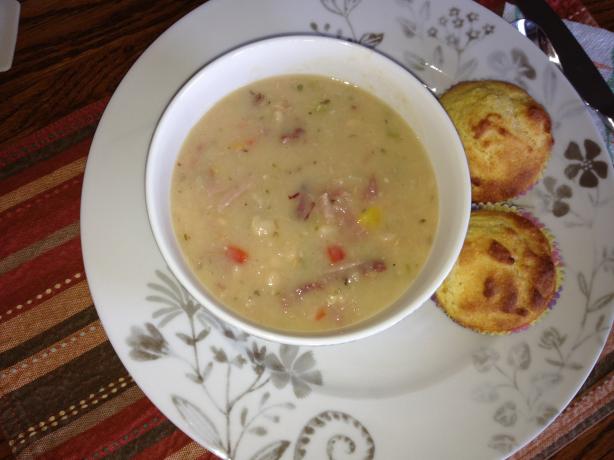
This was going to be my culinary adventure into Northern cooking, I thought. Why, they even had cans of it by some famous chef in the grocery store! It had to be excellent when made from scratch, right?
Imagine my surprise when I looked at the ingredients… beans, ham, water. It was fricking navy bean soup! Only with a few potatoes added.
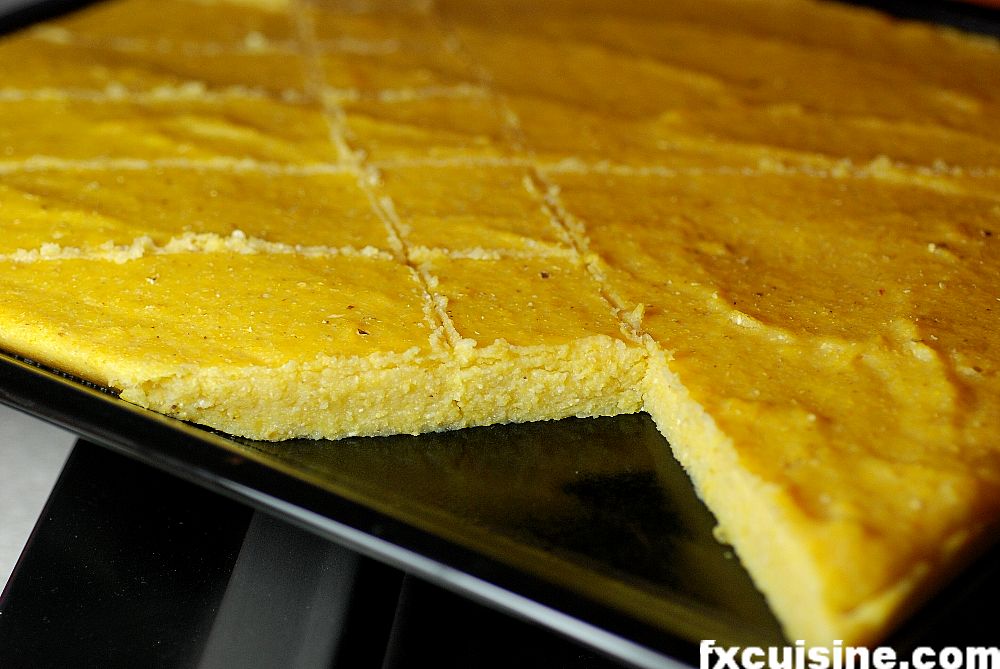
Disgruntled at being tricked, I decided to only cook recipes from Europe from then on. I learned how to make shrimp scampi, paella and pate. By the time I had worked my way up to Italian polenta, I was a dutiful Europhile foodie … right up until I realized that polenta was basically fried grits.
All of the food I had hated during my childhood was loved by others. They just had different names!
Now in fact, a bowl of soup beans and cornbread is probably one of the most ordered side dishes in the South, right up there with macaroni and cheese, sausage gravy and biscuits and rice and gravy.
I’m telling you – don’t turn your nose up on rice and gravy until you try it…
But it wasn’t until after I graduated from college that soup beans and cornbread became my go-to comfort food.
Always on Sunday afternoons, when it was cool and rainy out, soup beans became this way for me to be home, without actually going home. It became the way to connect with my past, and rethink my future.
It’s the smell, I think. Its earthiness and richness grounds me. I can put them on the stove; take a nap and fall asleep dreaming of my old Kentucky home.
In our house, we eat soup beans differently – the way my dad did.
Traditionally, with soup beans, you eat them with raw onions broken up in the bowl and cornbread on the side. Since my husband can’t stand soup, he crumbles the cornbread right into the soup beans to make some sort of stew like substance.
My dad, however, ate them differently. You take the soup beans; you add ketchup and a forkful of sweet pickle relish. Why? I have no idea. Then again, my Dad perfected the fried bologna sandwich and was the first person to ever make yellow tomato ketchup.
I’m not sure that says anything about Dad, but I do know that’s the only way I will eat soup beans, regardless of the weird looks I get from waitresses in virtually ever restaurant I’ve ever eaten it in.
I know there are regional favorites that I’m sure some people identify with like I do bean soup. Maybe Mainers are like that when they eat New England clam chowder, or a lobster roll. Maybe Southwesternites are all happy when they eat Tex Mex. Maybe even Chicago-ites wax nostalgic when they eat a slice of pizza.
But none of them know what it’s like to eat a bowl of soup beans and be taken back to their grandmother’s house – with its heat vent in the middle of the hall, the smell of cigarette smoke and coffee in the air, and millions of memories lingering in the walls, the rooms and the furniture.
This past weekend, I made the guys French toast, bacon and grits. My kids rolled their eyes at the lumpy white mush. I’m hoping one day, they’ll look at a bowl of grits and think of their old Mom. Or at least take me on vacation and load me up with all their unwanted bowls of grits.
And maybe, one day, they’ll make a pot of soup beans and cornbread and smile.
As long as they eat it with ketchup and relish, I’m okay with that.
(c) Copyright Liz Carey 2014
 hellsfunnybelle